-

-
Magazine
Palletising 4.0
Automation fills the personnel gap
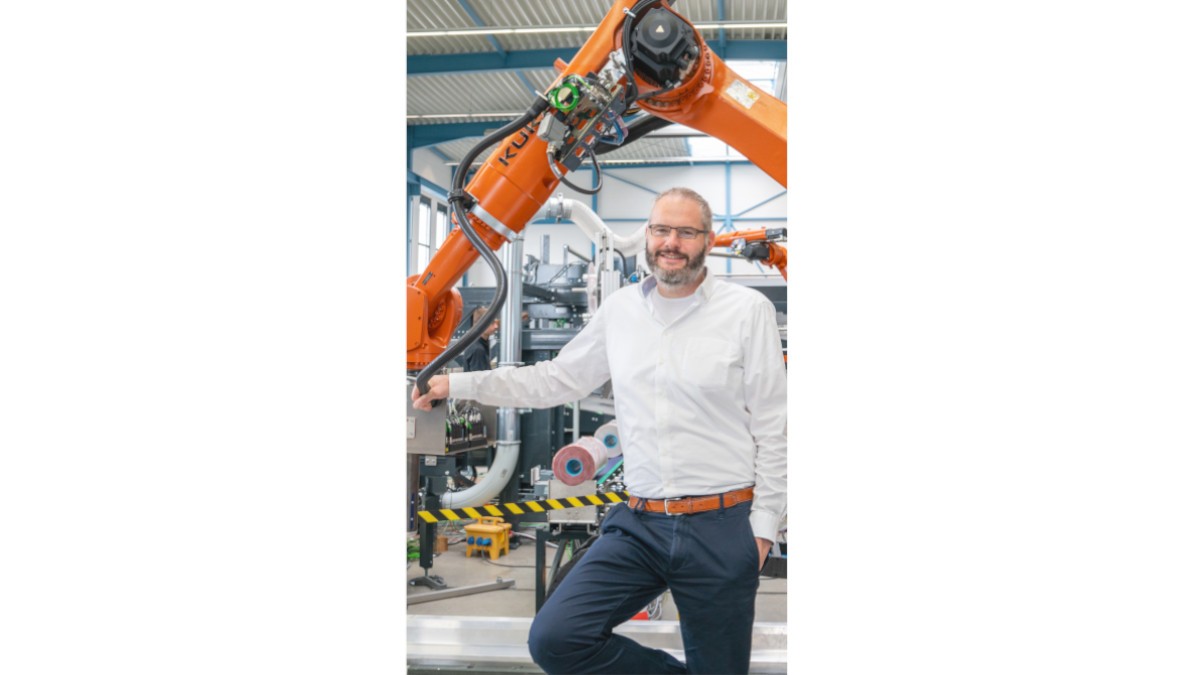
At KOCH Robotersysteme, ensuring production capability amid a shortage of skilled workers and rising labour costs is a key issue. Robots take over highly repetitive or physically demanding tasks such as palletising heavy sacks. "Boosting production without interruption is a decisive advantage, especially for Germany and Europe, where skilled labour shortages and rising wages are major issues," emphasises Sales Manager Thomas Theis. The systems reduce the workload for employees and enable consistently plannable processes. For many food manufacturers, the return on investment is the decisive factor: How quickly will the investment pay for itself, how much can be saved in personnel costs, and what production volumes can be guaranteed despite the labour shortage? Occupational safety and ergonomics are also part of the considerations when companies invest in robot-assisted packaging and palletising technology.
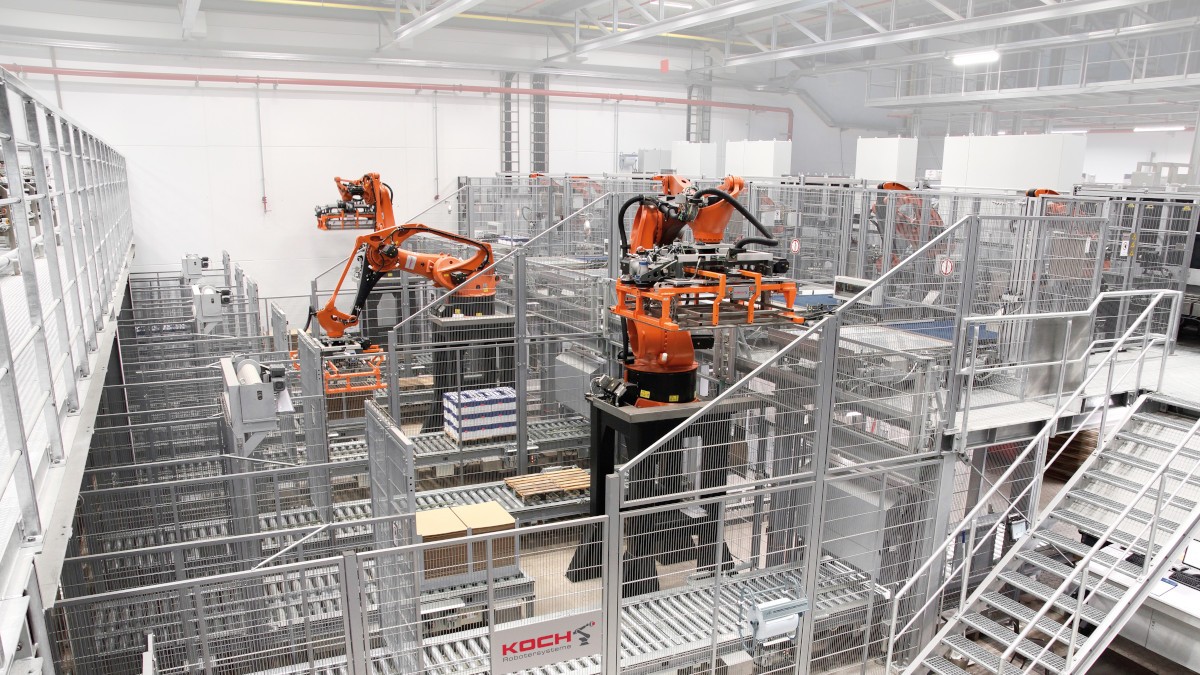
KOCH takes a highly modular approach to packaging and palletising. Copyright ©KOCH Industrieanlagen GmbH
Vision systems and AI increase product safety
The company has been relying on image processing systems for many years to increase quality and process reliability. Depending on the application, colour cameras, laser scanners or even combined systems are used. One example is the depalletising of milk powder: Single-variety source pallets are used to create mixed pallets, with the systems detecting the position of the sacks and checking the quality of the containers for issues such as deformation, incorrect weight, damaged areas, incorrectly printed best-before dates or illegible barcodes and QR codes. Deep learning methods improve recognition rates for a wide variety of products and unpredictable deviations. A key advantage is how quickly they can be learned: New products can simply be held up to the camera, and the system automatically adjusts to the new variant. This allows processes to be operated with minimal personnel and high quality assurance.
Flexible palletising with modular system and control
KOCH takes a highly modular approach to packaging and palletising. At its heart is a set of tried-and-tested standard modules that can be combined to create tailor-made solutions for different production environments. This approach allows us to develop viable concepts at an early stage and quickly present customers with functional systems. If suitable standard components are not available, specific modules such as gripping technology, conveyor systems or auxiliary units are developed in-house. The company offers both compact individual systems, such as the standardised KOCH products in the PalletSystem range for various containers and performance ranges, and turnkey complete systems covering entire lines from filling to pallets ready for dispatch. This enables typical requirements of the food industry – such as the production of mixed packaging for retail chains – to be implemented flexibly.
Hygiene requirements determine the technology
The company takes into account the strict hygiene standards of the food industry when designing its systems. Depending on the area of application, robots are used in food-grade or clean room variants. Depending on product requirements, special materials and construction methods are used, including stainless steel robots that can be cleaned with caustic solutions or chemical cleaning agents. Another key element is the gripping technology: It is adapted to the properties of the respective foodstuffs and ensures gentle handling of the products. Such systems are used not only in the food industry, but also in regulated pharmaceutical processes.
Practical examples from the food industry
KOCH is broadly positioned in the food industry – from confectionery, beverages and coffee to instant products and milling operations. Typical customer requirements relate to packaging logistics for retail chains. This often involves so-called mixed packaging, where cartons and trays contain several different products, as required by discounters. For such tasks, KOCH combines standardised modules with individually developed conveyor and gripping technology to provide palletising systems that can be flexibly adapted to product diversity and packaging shapes. The company has been able to realise numerous references in practice: GoodMills Austria increased its competitiveness with a fully automated bag palletising and full-pallet packaging system that ensures high process reliability, hygiene and low space requirements. Arla Foods Germany relies on a high-performance palletising centre for milk trays that offers productivity, palletising quality and flexible layer patterns. And Rapunzel Naturkost relies on various individual systems such as empty-glass depalletisers and carton palletisers, which have been integrated into existing production lines.
About KOCH Robotersysteme
KOCH Robotersysteme is a family-run system provider for automation technology based in Dernbach in the German state of Rhineland-Palatinate. The company has been developing customised robot systems for more than 40 years, which are implemented as individual systems or as turnkey complete systems. The range of services includes solutions for filling, packaging, order picking, palletising, intralogistics and machine interlinking. KOCH's tailor-made systems are used in various industries, including the food and beverage industry, logistics and the converting industry.
Contact for additional information:
Thomas Theis,
Head of Sales & Project Planning
KOCH Industrieanlagen GmbH
Ringstraße 9, 56307 Dernbach
vertrieb@koch-roboter.de
www.koch-roboter.de